
Connect this decision: sliding-door repair planning, fuel-use diagnostics, towing equipment support, hybrid thermal-system inspection and 12V battery and storage plan. Each route answers a separate part of the same candidate review.
The short answer
A workshop should be able to identify the exact generation and market, perform routine service, scan relevant systems, safely handle hybrid components where fitted and diagnose powered doors, climate, safety sensors and infotainment. Parts lookup should use VIN and verified part numbers. Before ordering a replacement, confirm VIN and market-specific parts matching. Prepare an evidence-led arrival inspection and first service.
A Toyota Sienna nameplate alone cannot answer this question. Generation, original market, legal identity, seat configuration, powertrain, condition and destination all change the correct route. Treat a listing as the start of evidence collection, not as proof of suitability.
What to verify on the actual vehicle
Create a baseline record of fluids, filters, battery systems, tyres, brakes, wipers, door tracks, 12-volt battery, keys and diagnostic state. Photograph labels and part numbers for service-sensitive or market-specific components.
Record the source of each claim and its date. Separate official specifications, original documents, diagnostic results, inspection observations and seller statements. If two records conflict, pause the decision instead of choosing the more convenient number.
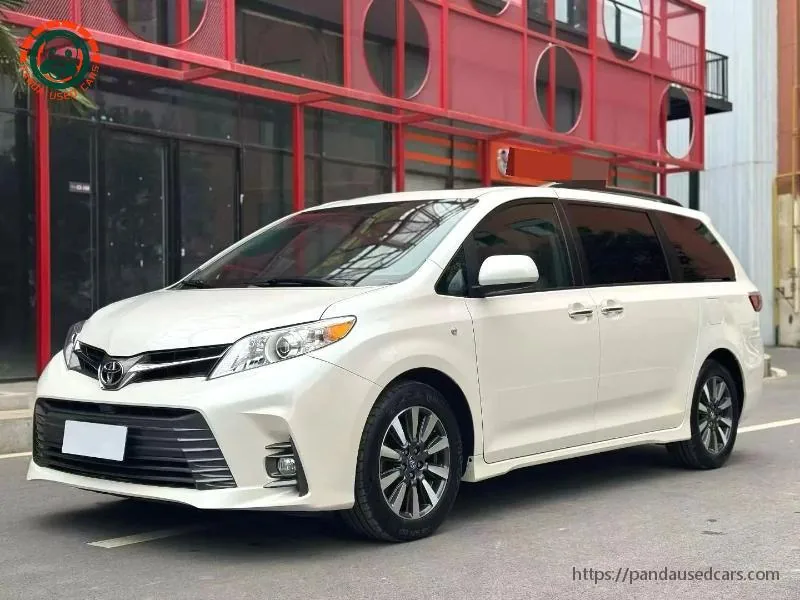
Where buyers get misled
Routine engine oil or tyres may be easy to source while lamps, glass, sliding-door hardware, body panels, hybrid cooling parts or modules cause long delays. Similar-looking US and China-market components are not automatically interchangeable.
Do not let a clean interior, a translated trim name or one attractive price collapse several unresolved questions into a yes. The safest comparison gives unknowns a cost and a deadline, and rejects a candidate when critical identity or condition evidence never arrives.
A practical decision rule
Price an initial service and a sensible set of immobilising consumables. Ask the chosen workshop which tasks it cannot perform and who supplies programmed or safety-critical parts. Support uncertainty belongs in the purchase decision.
Write the acceptance boundary before paying a deposit: required documents, inspection scope, included preparation, quote validity, responsibility for changed facts and the conditions under which the buyer can decline the candidate.
Export and destination implications
Carry maintenance records, manuals where available, key codes and part references in the handover. Do not ship undeclared fluids, batteries or loose parts contrary to carrier rules. Keep a dated decision sheet beside the candidate. It should name the buyer’s fixed requirements, flexible preferences, evidence received, evidence still missing, the person responsible for each check and the date on which a price or statement expires. Use a separate row for vehicle price, inspection, preparation, inland movement, freight, insurance, tax, port handling, registration and the first service allowance. This prevents an attractive vehicle price from being mistaken for a complete delivered budget. Before acceptance, repeat the cabin use with the intended passengers and luggage, reconcile the VIN across every record, review warning and diagnostic evidence, and confirm that the destination can maintain the exact market version. Photograph the agreed condition immediately before custody changes. If the seller substitutes a vehicle, changes a specification, removes equipment or cannot reproduce a key document, restart the relevant checks rather than transferring conclusions from the first candidate. Finally, give the buyer a written handover list covering keys, documents, accessories, fluid or charge state, known defects, carrier references and arrival inspection deadlines. This record turns a broad Sienna preference into a traceable vehicle decision.
Freight, taxes, registration, insurance and service support are destination-specific. Confirm them with the relevant provider or authority using the exact vehicle data. Export completion at origin is not a promise of registration at destination.
Evidence checklist
- VIN parts lookup
- Routine service items
- Hybrid capability
- Doors and electronics
- Collision parts
- Initial service budget
Buyer questions
Can any Toyota workshop service every Sienna?
Verify generation, market, hybrid tools, diagnostics and parts access.
Are US and China-market parts interchangeable?
Do not assume it; validate part numbers and specifications.
Which parts deserve early planning?
Items that can immobilise the vehicle or have long destination lead times.
How to use specifications responsibly
This topic depends on candidate-specific documents, inspection evidence and destination rules. Begin with the market and specification guide, then attach every conclusion to the actual VIN rather than repeating a generic brochure claim.