
Connect this decision: 2021-2026 model-year changes, market and trim specifications, hybrid and AWD choice and warranty, recall and overseas support. Each route answers a separate part of the same candidate review.
The short answer
Sienna has moved through materially different body, powertrain, safety, seating and electronics eras. The current fourth generation is hybrid-only in the United States, while earlier generations commonly use gasoline V6 powertrains. China-market 赛那 SIENNA records also require their own production and trim evidence.
A Toyota Sienna nameplate alone cannot answer this question. Generation, original market, legal identity, seat configuration, powertrain, condition and destination all change the correct route. Treat a listing as the start of evidence collection, not as proof of suitability.
What to verify on the actual vehicle
Record the VIN, build month, legal model code, manufacturer, engine or hybrid identifiers, driven wheels, seat count and original market. Compare body details only as a supporting check; bumpers, lamps, wheels and badges can be replaced. Keep the source brochure and its market beside the candidate file.
Record the source of each claim and its date. Separate official specifications, original documents, diagnostic results, inspection observations and seller statements. If two records conflict, pause the decision instead of choosing the more convenient number.
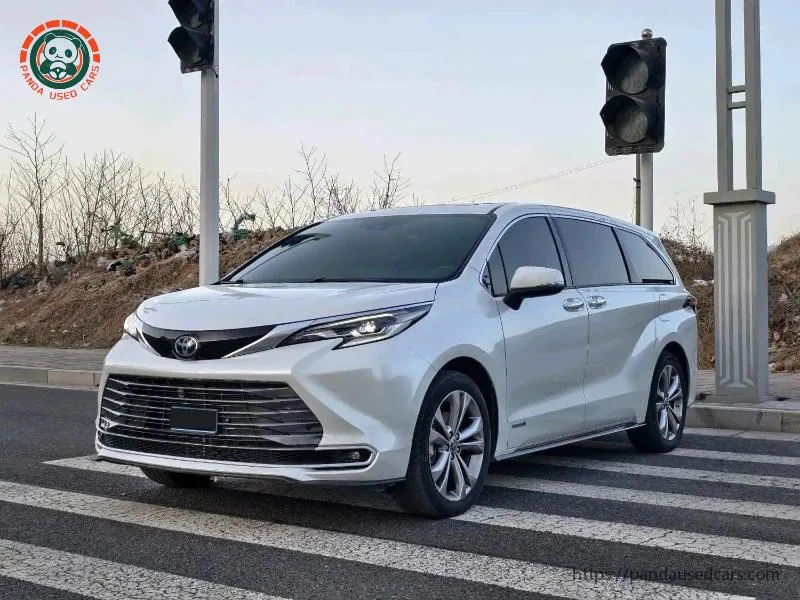
Where buyers get misled
Mixing generations can produce wrong engine, battery, fluid, tyre, towing, emissions, safety and parts assumptions. A seller may use the registration year, first-use year or an informal facelift label as “model year,” so dates should be reconciled rather than copied.
Do not let a clean interior, a translated trim name or one attractive price collapse several unresolved questions into a yes. The safest comparison gives unknowns a cost and a deadline, and rejects a candidate when critical identity or condition evidence never arrives.
A practical decision rule
Choose a generation only after mapping destination support. A newer hybrid may lower fuel use but require hybrid diagnostics and market-specific electronics. An older V6 may be familiar to local workshops but carry greater age, consumption and history exposure.
Write the acceptance boundary before paying a deposit: required documents, inspection scope, included preparation, quote validity, responsibility for changed facts and the conditions under which the buyer can decline the candidate.
Export and destination implications
Generation affects carrier data, customs description, valuation, emissions evidence and replacement-part planning. Resolve the legal year and model before booking freight or estimating destination charges. Keep a dated decision sheet beside the candidate. It should name the buyer’s fixed requirements, flexible preferences, evidence received, evidence still missing, the person responsible for each check and the date on which a price or statement expires. Use a separate row for vehicle price, inspection, preparation, inland movement, freight, insurance, tax, port handling, registration and the first service allowance. This prevents an attractive vehicle price from being mistaken for a complete delivered budget. Before acceptance, repeat the cabin use with the intended passengers and luggage, reconcile the VIN across every record, review warning and diagnostic evidence, and confirm that the destination can maintain the exact market version. Photograph the agreed condition immediately before custody changes. If the seller substitutes a vehicle, changes a specification, removes equipment or cannot reproduce a key document, restart the relevant checks rather than transferring conclusions from the first candidate. Finally, give the buyer a written handover list covering keys, documents, accessories, fluid or charge state, known defects, carrier references and arrival inspection deadlines. This record turns a broad Sienna preference into a traceable vehicle decision.
Freight, taxes, registration, insurance and service support are destination-specific. Confirm them with the relevant provider or authority using the exact vehicle data. Export completion at origin is not a promise of registration at destination.
Evidence checklist
- VIN and model code
- Build and registration dates
- Powertrain generation
- Seat configuration
- Original market
- Parts pathway
Buyer questions
Is every 2021-or-newer Sienna hybrid?
Current US-market fourth-generation Sienna models are hybrid, but verify the actual market and VIN.
Can appearance prove model year?
No. Use legal records, VIN data and production labels.
Is the China-market Sienna identical to every US version?
No. Market, trim, equipment and documentation require separate verification.
How to use specifications responsibly
Use the publication for its stated market and model year, then reconcile it with the candidate’s VIN plate, legal records and installed equipment. An official model page is a reference, not proof of one vehicle’s identity or present condition.