
Connect this decision: sliding-door and tailgate inspection, software and safety systems and maintenance and parts plan. Each route answers a separate part of the same candidate review.
The short answer
The traction battery does not replace the auxiliary electrical supply used to wake control systems and support locks, doors and modules. Weak low-voltage condition after storage can create misleading faults and prevent an otherwise sound van from operating normally.
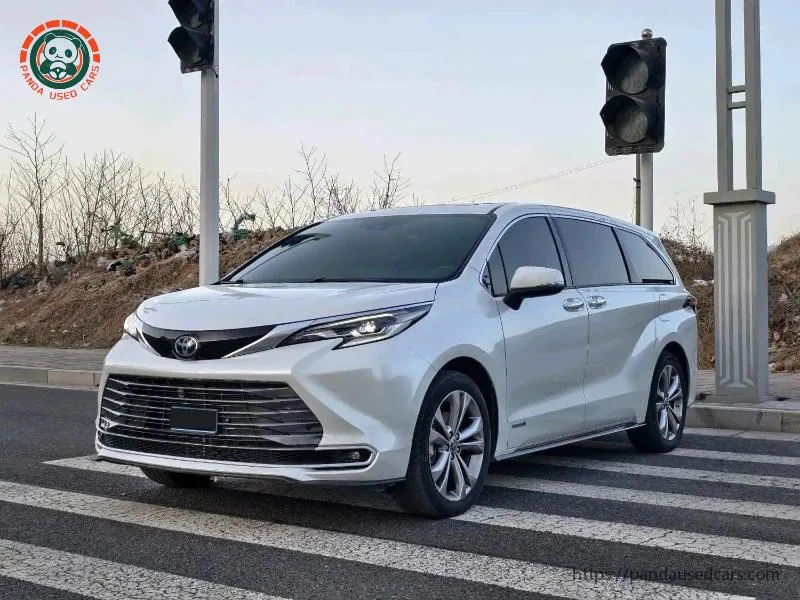
A Toyota Sienna nameplate alone cannot answer this question. Generation, original market, legal identity, seat configuration, powertrain, condition and destination all change the correct route. Treat a listing as the start of evidence collection, not as proof of suitability.
What to verify on the actual vehicle
Build a dated storage timeline, identify the correct auxiliary battery, test it after a suitable normal rest and record scans before clearing. Exercise powered doors, tailgate, climate, screens, keys and shutdown while preserving voltage and warning context.
Record the source of each claim and its date. Separate official specifications, original documents, diagnostic results, inspection observations and seller statements. If two records conflict, pause the decision instead of choosing the more convenient number.
Build a truthful storage timeline
Record production, registration, service, movement, listing and inactive periods. Explain gaps rather than treating low odometer as automatic evidence of good condition.
Identify before testing
Record battery type, rating, date, terminals, venting or mounting and replacement marks. Use an appropriate procedure and state rest time and temperature so the result can be reviewed.
Preserve diagnostic history
Scan before and after normal wake-up, startup, powered-door use, shutdown and locking. Separate historic undervoltage events from current component faults and do not clear evidence before saving it.
Map electrical demands
Exercise keys, doors, tailgate, seats, climate, multimedia and fitted accessories in a controlled order. Identify dash cameras, trackers or modifications and measure suspected draw with a suitable method.
Repeat after corrective work
After an approved charge, replacement or repair, verify auxiliary charging support, warnings, sleep or wake behavior and repeated door operation. A new battery alone does not prove the underlying load is resolved.
Prepare shipping and arrival
Agree shutdown state, record battery and warning condition at custody change and define safe recommissioning at destination before prolonged accessory or door use.
Where buyers get misled
A jump start, recent external charge or workshop reset can temporarily restore function without proving reserve capacity or explaining the cause. Aftermarket trackers and accessories can add load, while repeated door demonstrations can distort a quick test.
Do not let a clean interior, a translated trim name or one attractive price collapse several unresolved questions into a yes. The safest comparison gives unknowns a cost and a deadline, and rejects a candidate when critical identity or condition evidence never arrives.
A practical decision rule
Accept the auxiliary and electrical state only after normal wake-up, operation, shutdown and repeat diagnostics remain stable. Replace or diagnose through the correct procedure and verify charging support rather than fitting an arbitrary battery.
Write the acceptance boundary before paying a deposit: required documents, inspection scope, included preparation, quote validity, responsibility for changed facts and the conditions under which the buyer can decline the candidate.
Export and destination implications
Follow current carrier instructions, remove prohibited loose devices and give the receiver a defined wake-up, door, warning and battery recheck. Storage deterioration belongs in the delivered cost and first-service plan.
Freight, taxes, registration, insurance and service support are destination-specific. Confirm them with the relevant provider or authority using the exact vehicle data. Export completion at origin is not a promise of registration at destination.
Evidence checklist
- Storage timeline
- Battery identity
- Resting and loaded test
- Warning history
- Doors and accessory loads
- Arrival recommissioning
Buyer questions
Can a jump start prove 12V battery health?
No. It proves only that external support restored operation at that moment.
Does low mileage remove storage risk?
No. Time can affect batteries, tyres, brakes, fluids and cabin condition.
What closes the decision before payment?
A VIN-linked record of the inspection, diagnosis, accepted corrective work and repeat test, with unresolved limits written into the transaction file.
How to use specifications responsibly
Use the publication for its stated market and model year, then reconcile it with the candidate’s VIN plate, legal records and installed equipment. An official model page is a reference, not proof of one vehicle’s identity or present condition.