
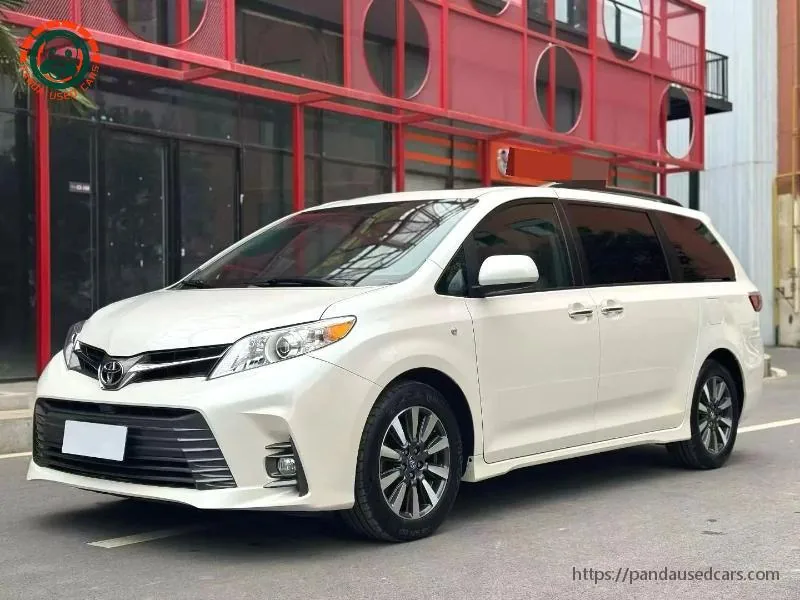
Choose a workshop that understands the version
Before arrival, provide the VIN, production and original-market information, and identify whether the vehicle is hybrid or an earlier petrol version. Ask what diagnostic, parts and maintenance support is available locally. Review the powertrain and drive-layout guide where identity is uncertain. A workshop familiar with one Sienna generation may still need information for another. Agree which work it can perform and what requires referral, especially for high-voltage or safety-system concerns. Do not assume a brand dealership automatically provides warranty coverage for an imported market version.
Preserve the arrival record before preparation
Compare the vehicle with departure photographs and the inventory of keys, documents and accessories. Record damage, missing items and warning messages promptly under the applicable carrier process. The shipping guide provides the broader handover context. Avoid clearing faults or authorising cosmetic repair before relevant evidence is retained, except for necessary safety action. If a warning or damage makes driving questionable, obtain qualified handling advice. A long drive home is not an appropriate test of an unresolved transport-related concern.
Address storage-related checks methodically
Assess tyre condition and pressure, visible leaks, accessible brake condition and the 12V supply through appropriate procedures. A vehicle starting once does not establish that a storage-weakened battery is healthy. Use the 12V and storage checks when there are intermittent electrical symptoms. Do not repeatedly boost a vehicle without investigating the cause. Inspect for transport or storage changes before concluding that a fault existed before purchase. Record measurements and observations so later discussions are based on evidence rather than recollection.
Reconcile maintenance records with the applicable schedule
Arrange invoices by date and distance, then ask the workshop to compare them with the correct market and generation schedule. Distinguish confirmed completed work from undocumented claims. Obtain the required fluid specifications and procedures from suitable technical information rather than applying a universal Toyota service menu. Missing history may justify a baseline service, but not every available item is automatically necessary. Ask for the reason behind each proposed replacement and keep deferred work visible. This makes the estimate understandable and helps prevent both neglect and indiscriminate servicing.
Give the hybrid systems their proper boundary
On a hybrid Sienna, relevant warnings, cooling concerns or battery findings require a competent hybrid assessment. A routine oil service cannot resolve them, and a single dashboard display cannot establish traction-battery health. Refer to the battery assessment guide and associated cooling checks for the evidence needed. Do not open high-voltage assemblies or touch marked components as an owner inspection. For an earlier non-hybrid vehicle, do not invent hybrid service items simply because current Sienna advertising emphasises electrification. The work order must follow the actual car.
Verify the passenger systems before family duty
Test the seating configuration, restraints, doors and front/rear climate functions under appropriate safe conditions. A mechanically sound vehicle can still be unsuitable for the first family journey if a seat does not lock or a door fault remains unresolved. Check any seat-rail concern before installing the children's regular restraints. Record which comfort faults can reasonably wait and which affect safe use. Do not let a full service stamp substitute for a cabin assessment tailored to the people who will actually travel.
Create the next-service and follow-up record
Keep the arrival inspection, work performed, part identifiers, date and odometer reading together. Note outstanding observations and the conditions that should trigger a return visit, rather than promising the car is trouble-free after one check. Establish the next maintenance point from the applicable schedule and actual completed work. During early normal use, record repeatable noise, warning or climate symptoms with enough context for diagnosis. This local baseline should preserve the original market identity and repair history so future workshops do not have to reconstruct the vehicle from a generic Sienna badge.
Buyer checklist
- Identify generation, market and actual powertrain.
- Preserve shipping discrepancies before repairs.
- Select maintenance from the correct schedule and evidence.
- Verify passenger systems and retain a local service baseline.
Questions and answers
Should every imported Sienna receive the same first service?
No. The appropriate work depends on generation, powertrain, history and inspection findings. Use the correct schedule and explain any additional baseline work rather than applying a universal package.
Can a routine service replace a hybrid inspection?
No. Relevant hybrid warnings or condition concerns need an appropriate qualified assessment. Ordinary servicing and a hybrid diagnostic investigation answer different questions.
Reference information
Use the applicable market and year documentation for equipment and operating limits. The references have their own market and publication scope; they do not establish the condition, fitted equipment or destination approval of an individual vehicle.
Continue with the maintenance and parts guide, or send your vehicle requirements.