
Connect this decision: current sourcing evidence, used-Sienna inspection checklist and complete landed-cost comparison. Each route answers a separate part of the same candidate review.
The short answer
A new vehicle reduces mileage and prior-use uncertainty, but it can still have market, warranty, storage, documentation and availability constraints. A used vehicle can deliver better value or faster access when history, hybrid condition, cabin wear and repair evidence are strong.
A Toyota Sienna nameplate alone cannot answer this question. Generation, original market, legal identity, seat configuration, powertrain, condition and destination all change the correct route. Treat a listing as the start of evidence collection, not as proof of suitability.
What to verify on the actual vehicle
For new vehicles, confirm legal status, production date, storage, pre-delivery condition, warranty territory and seller authority. For used vehicles, add ownership, service, mileage, collision, flood, battery, tyres, brakes, doors, cabin and diagnostics. Use the same destination and delivery boundary.
Record the source of each claim and its date. Separate official specifications, original documents, diagnostic results, inspection observations and seller statements. If two records conflict, pause the decision instead of choosing the more convenient number.
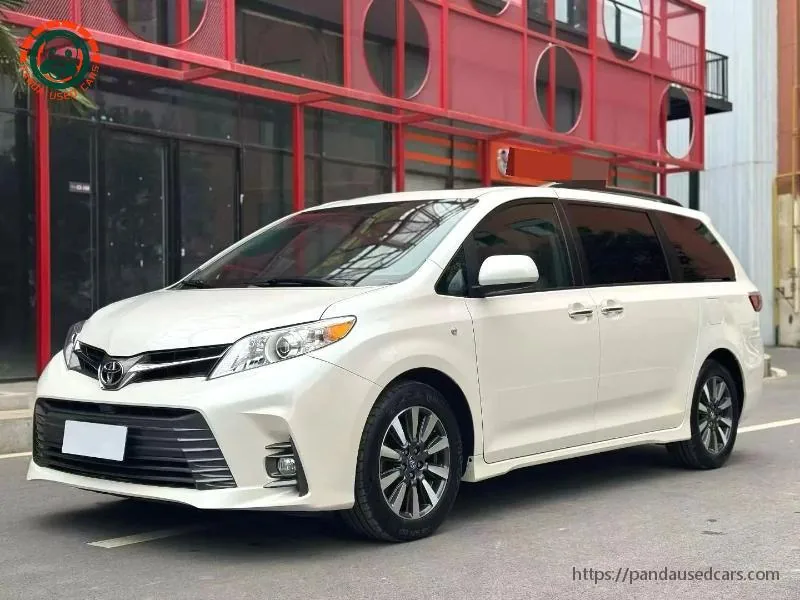
Where buyers get misled
The word “new” is used inconsistently in cross-border listings. A registered, display, transit or stored vehicle may not carry the expected warranty or tax treatment. A low-mileage used van can still have commercial, chauffeur, rental or prolonged-idle history.
Do not let a clean interior, a translated trim name or one attractive price collapse several unresolved questions into a yes. The safest comparison gives unknowns a cost and a deadline, and rejects a candidate when critical identity or condition evidence never arrives.
A practical decision rule
Compare expected and adverse cases. Give a used candidate a realistic correction allowance; give a new candidate storage, warranty and depreciation assumptions. Choose the better documented delivered value, not the lower odometer or more attractive label.
Write the acceptance boundary before paying a deposit: required documents, inspection scope, included preparation, quote validity, responsibility for changed facts and the conditions under which the buyer can decline the candidate.
Export and destination implications
Registration status can alter export documents, tax and destination classification. Confirm how the destination defines new and used before contracting and keep the agreed status consistent across the transaction file. Keep a dated decision sheet beside the candidate. It should name the buyer’s fixed requirements, flexible preferences, evidence received, evidence still missing, the person responsible for each check and the date on which a price or statement expires. Use a separate row for vehicle price, inspection, preparation, inland movement, freight, insurance, tax, port handling, registration and the first service allowance. This prevents an attractive vehicle price from being mistaken for a complete delivered budget. Before acceptance, repeat the cabin use with the intended passengers and luggage, reconcile the VIN across every record, review warning and diagnostic evidence, and confirm that the destination can maintain the exact market version. Photograph the agreed condition immediately before custody changes. If the seller substitutes a vehicle, changes a specification, removes equipment or cannot reproduce a key document, restart the relevant checks rather than transferring conclusions from the first candidate. Finally, give the buyer a written handover list covering keys, documents, accessories, fluid or charge state, known defects, carrier references and arrival inspection deadlines. This record turns a broad Sienna preference into a traceable vehicle decision.
Freight, taxes, registration, insurance and service support are destination-specific. Confirm them with the relevant provider or authority using the exact vehicle data. Export completion at origin is not a promise of registration at destination.
Evidence checklist
- Registration status
- Production and storage
- Warranty territory
- History and mileage
- Condition allowance
- Landed comparison
Buyer questions
Does unregistered always mean new?
Not necessarily. Verify legal status, production date, storage and prior use.
Can a used Sienna be better value?
Yes, when condition and history are strong and the delivered saving is meaningful.
Will an export vehicle keep its home-market warranty?
Do not assume it; obtain written market- and VIN-specific terms.
How to use specifications responsibly
This topic depends on candidate-specific documents, inspection evidence and destination rules. Begin with the market and specification guide, then attach every conclusion to the actual VIN rather than repeating a generic brochure claim.