
Connect this decision: generation identification, market-specific trims and software and safety support. Each route answers a separate part of the same candidate review.
The short answer
Treat 2021 as the start of a new US-market hybrid-only generation, then identify the actual changes for each later year instead of assuming every fourth-generation van has the newest screens, reminders, convenience equipment or grade content. A production year, model year and first-registration date can be different facts.
A Toyota Sienna nameplate alone cannot answer this question. Generation, original market, legal identity, seat configuration, powertrain, condition and destination all change the correct route. Treat a listing as the start of evidence collection, not as proof of suitability.
What to verify on the actual vehicle
Record VIN, production month, legal model year, original market, grade, drivetrain, seat count, multimedia hardware, driver display, rear-seat reminder hardware, connected-service status and visible options. Use the official release for that exact market year, then verify what is physically present and operational on the candidate.
Record the source of each claim and its date. Separate official specifications, original documents, diagnostic results, inspection observations and seller statements. If two records conflict, pause the decision instead of choosing the more convenient number.
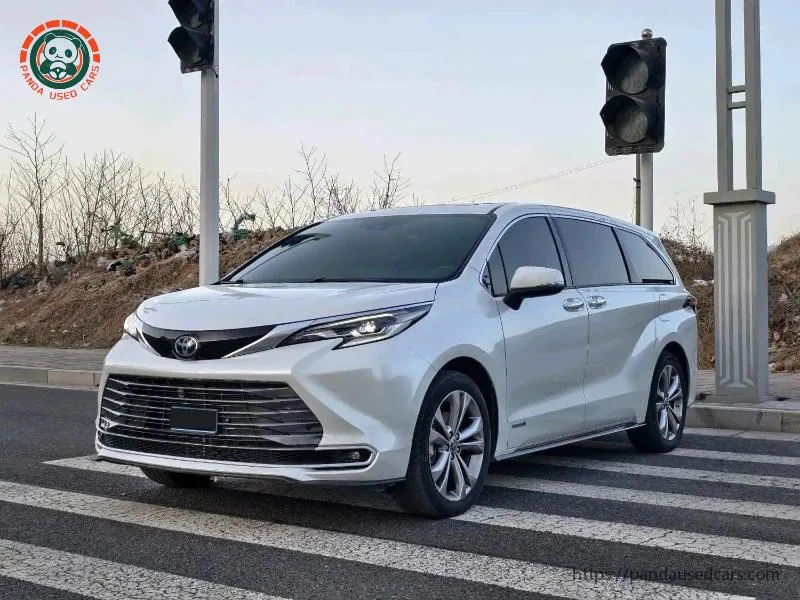
2021 establishes the powertrain boundary
The 2021 US-market redesign is important because it makes hybrid identity fundamental to fourth-generation inspection and parts planning. That does not mean every vehicle advertised as 2021 is automatically a US fourth-generation hybrid. Previously imported vehicles, market differences and registration timing still require VIN and legal-document checks. Use body appearance only as supporting evidence, then confirm propulsion, drivetrain, seating and original market before comparing price or specifications.
2025 is a meaningful technology checkpoint
Toyota added a radar-based Advanced Rear Seat Reminder for the 2025 US model year and refreshed multimedia, displays, cabin trim and selected convenience equipment. Those changes create real search value, but they should not be converted into a universal 2025 equipment list. Grade and options still matter, connected alerts can depend on accounts and networks, and a used candidate must demonstrate that the hardware and warnings operate correctly.
2026 changes grade content rather than generation
Toyota described added standard equipment for several 2026 US grades, including changes to the LE, XLE and XSE feature boundary. This is not proof that a similar China-market vehicle or an earlier registered van received the same items. Create a year-and-grade evidence sheet and price only the features shown by VIN-supported records or direct inspection. The result should explain why one year matters to this buyer rather than simply ranking newest as best.
Where buyers get misled
A seller may advertise a 2024-built vehicle as a 2025 because it was registered later, or may copy a current grade description onto an earlier van. Facelift language is also unreliable when Toyota made feature changes without creating a new generation. China-market 赛那 SIENNA year changes must be checked against GAC Toyota material, not a US grade table.
Do not let a clean interior, a translated trim name or one attractive price collapse several unresolved questions into a yes. The safest comparison gives unknowns a cost and a deadline, and rejects a candidate when critical identity or condition evidence never arrives.
A practical decision rule
Choose the year that delivers the required cabin and support at a defensible landed cost. Newer technology can be valuable, but unsupported subscriptions, replacement screens or safety hardware may add little after export. A well-documented earlier van can be the stronger purchase when its condition, seat layout and service path are better.
Write the acceptance boundary before paying a deposit: required documents, inspection scope, included preparation, quote validity, responsibility for changed facts and the conditions under which the buyer can decline the candidate.
Export and destination implications
Use the legal model year and manufacturer description consistently across invoice, export, freight, tax and destination files. Explain market-facing names separately without rewriting official identity, and ask the destination adviser whether age cut-offs use manufacture, model or first-registration date.
Freight, taxes, registration, insurance and service support are destination-specific. Confirm them with the relevant provider or authority using the exact vehicle data. Export completion at origin is not a promise of registration at destination.
Evidence checklist
- VIN and build month
- Legal model year
- US or China market
- Grade and drivetrain
- Installed technology
- Destination age basis
Buyer questions
Did the fourth-generation Sienna begin with model year 2021?
Toyota introduced the redesigned fourth-generation US Sienna for 2021 with a hybrid-only powertrain.
Did every year receive the same equipment?
No. Grade content, multimedia, displays, convenience and safety features changed; verify the exact year and candidate.
Can first registration establish model year?
Not by itself. Reconcile production, legal model-year and registration records.
How to use specifications responsibly
Use the publication for its stated market and model year, then reconcile it with the candidate’s VIN plate, legal records and installed equipment. An official model page is a reference, not proof of one vehicle’s identity or present condition.