
Connect this decision: hybrid engine start checks, common used-Sienna risks and export eligibility route. Each route answers a separate part of the same candidate review.
The short answer
Start with the exact generation and original market, then join physical exhaust inspection, diagnostic readiness, engine behavior and destination rules. A clear warning lamp is not enough.
A Toyota Sienna nameplate alone cannot answer this question. Generation, original market, legal identity, seat configuration, powertrain, condition and destination all change the correct route. Treat a listing as the start of evidence collection, not as proof of suitability.
What to verify on the actual vehicle
Inspect cold and warm operation, leaks, heat shields, catalysts, sensors and repair marks; record faults and monitor status before any clearing and obtain an appropriate compliant test where required.
Record the source of each claim and its date. Separate official specifications, original documents, diagnostic results, inspection observations and seller statements. If two records conflict, pause the decision instead of choosing the more convenient number.
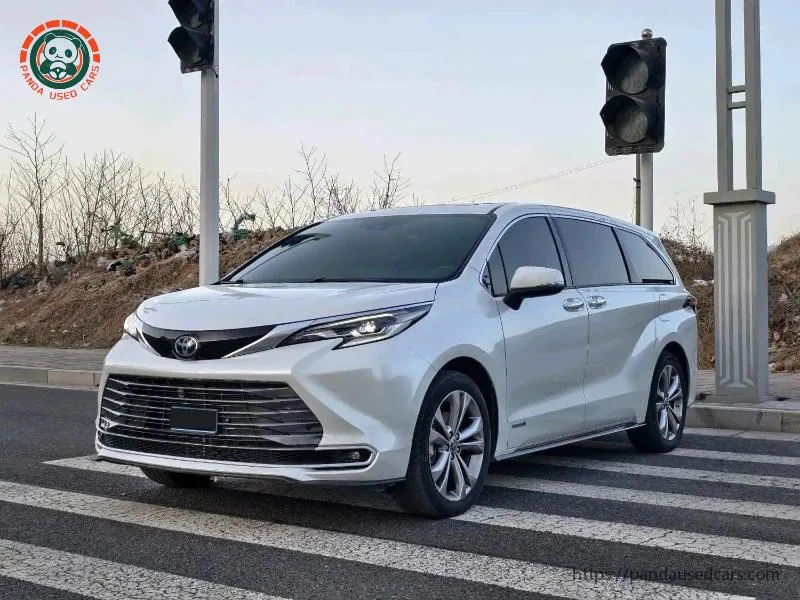
Identify the emissions context
Record VIN, engine and hybrid generation, original market, production date and any destination classification. Requirements differ, so another market label or inspection result cannot be copied to the candidate.
Preserve evidence before reset
Scan current, pending, permanent and history information where supported and record readiness monitors and distance since clearing when available. Clearing codes before inspection weakens the decision.
Inspect the complete exhaust path
From a safe cold condition, inspect accessible manifolds, joints, flex sections, shields, catalysts, sensors, hangers and tailpipe for leaks, impact, corrosion, cuts, welds or substituted parts.
Link faults to root causes
Misfire, fuel control, oil or coolant consumption, air leaks and sensor faults can damage or mimic catalyst problems. Use qualified diagnosis and comparable warm operation rather than replacing the most expensive named part first.
Confirm the local gate separately
Obtain current destination requirements for age, emissions class, inspection, documentation and modifications. China export acceptance does not guarantee local registration or road use.
Where buyers get misled
A recently cleared ECU can hide incomplete monitors, while substituted exhaust parts or software changes may create registration, safety and repair problems even if the vehicle drives normally.
Do not let a clean interior, a translated trim name or one attractive price collapse several unresolved questions into a yes. The safest comparison gives unknowns a cost and a deadline, and rejects a candidate when critical identity or condition evidence never arrives.
A practical decision rule
Reject unsupported tampering, diagnose causes before replacing expensive parts and confirm destination conformity using VIN-specific data with the competent local authority or provider.
Write the acceptance boundary before paying a deposit: required documents, inspection scope, included preparation, quote validity, responsibility for changed facts and the conditions under which the buyer can decline the candidate.
Export and destination implications
The export file should identify installed components, test date, unresolved codes, accepted work and the boundary between origin inspection and destination approval.
Freight, taxes, registration, insurance and service support are destination-specific. Confirm them with the relevant provider or authority using the exact vehicle data. Export completion at origin is not a promise of registration at destination.
Evidence checklist
- Identity and market standard
- Cold exhaust inspection
- Diagnostic readiness
- Warm loaded behavior
- Tampering evidence
- Destination approval
Buyer questions
Does no check-engine light prove emissions compliance?
No. Review stored and pending faults, readiness status, physical components and the required destination test.
Can a catalyst code identify the failed part by itself?
No. Diagnose engine condition, leaks, sensors, wiring and operating data before assigning a component.
What closes the decision?
A dated VIN-linked finding, accepted repair boundary and comparable repeat test, with remaining limits written into the buyer file.
How to use specifications responsibly
Use the publication for its stated market and model year, then reconcile it with the candidate’s VIN plate, legal records and installed equipment. An official model page is a reference, not proof of one vehicle’s identity or present condition.