
Connect this decision: hybrid and AWD buyer guide, tyre and towing load plan, complete used-Sienna inspection and engine intervention and vibration route. Each route answers a separate part of the same candidate review.
The short answer
A hybrid eCVT does not shift like a conventional automatic, and regenerative braking can reduce ordinary friction-brake use. The test must distinguish normal powertrain character from noise, vibration, imbalance, corrosion or electronic faults.
A Toyota Sienna nameplate alone cannot answer this question. Generation, original market, legal identity, seat configuration, powertrain, condition and destination all change the correct route. Treat a listing as the start of evidence collection, not as proof of suitability.
What to verify on the actual vehicle
Start with a static safety inspection and full scan. Record cold condition, state of charge, route, load, drive mode and weather, then observe low-speed control, progressive acceleration, cruise, turns, bumps and braking before a post-drive recheck.
Record the source of each claim and its date. Separate official specifications, original documents, diagnostic results, inspection observations and seller statements. If two records conflict, pause the decision instead of choosing the more convenient number.
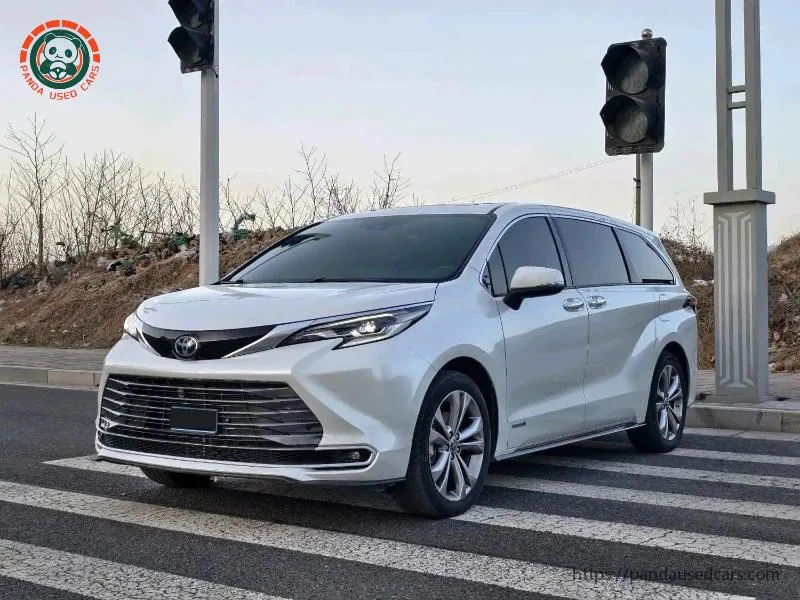
Create a safe static gate
Confirm tyre sizes and pressures, tread, visible wheel and brake condition, fluid evidence, steering play and warning lamps. Unsafe findings end the dynamic plan before the van enters traffic.
Document the route and state
Record battery state, ambient temperature, passengers or ballast, road surface, climate demand, speed range and whether the vehicle was pre-warmed. These facts are needed before two candidates can be compared.
Interpret propulsion behavior carefully
Observe start-up, electric movement, engine entry, acceleration response, steady cruise and deceleration. Connect abnormal sound or vibration to engine, hybrid, mount, bearing, tyre and road evidence rather than diagnosing from one sensation.
Expose friction-brake condition
Under safe legal conditions, observe pedal consistency, pull, vibration, noise and stopping control at different speeds. Do not disable required safety systems or attempt a hazardous emergency intervention merely to create a test.
Connect chassis symptoms
Drift and vibration can originate from tyres, wheels, alignment, bearings, suspension, steering or brakes. Preserve measurements and repair logic instead of replacing the easiest visible component.
Close with the same-condition retest
Scan after driving, inspect heat or odor differences and repeat affected route segments after repair. An invoice without a comparable result does not establish that behavior is resolved.
Where buyers get misled
Calling every engine-speed change “normal eCVT behavior” can hide mounts, bearings, engine or hybrid faults. Smooth regeneration during a short drive can mask rusty discs, seized hardware, fluid problems or pull under friction braking.
Do not let a clean interior, a translated trim name or one attractive price collapse several unresolved questions into a yes. The safest comparison gives unknowns a cost and a deadline, and rejects a candidate when critical identity or condition evidence never arrives.
A practical decision rule
Use repeatable symptoms and measurements, not impressions. Stop for unsafe tyres, brake warnings, severe pull, overheating or unstable control, and require diagnosis plus the same-condition retest after corrective work.
Write the acceptance boundary before paying a deposit: required documents, inspection scope, included preparation, quote validity, responsibility for changed facts and the conditions under which the buyer can decline the candidate.
Export and destination implications
Record odometer, warning state, tyre pressures, keys and road-test limits at handover. Destination service must understand the hybrid brake system and exact electronic AWD configuration where fitted.
Freight, taxes, registration, insurance and service support are destination-specific. Confirm them with the relevant provider or authority using the exact vehicle data. Export completion at origin is not a promise of registration at destination.
Evidence checklist
- Static safety gate
- Cold and low-speed behavior
- Acceleration and cruise
- Blended and friction braking
- Steering and suspension
- Post-drive scan
Buyer questions
Does eCVT behavior match a stepped automatic?
No. Judge it against the correct hybrid system and repeatable symptoms.
Can regeneration prove the friction brakes are healthy?
No. Inspect and safely exercise the friction system under suitable conditions.
What closes the decision before payment?
A VIN-linked record of the inspection, diagnosis, accepted corrective work and repeat test, with unresolved limits written into the transaction file.
How to use specifications responsibly
Use the publication for its stated market and model year, then reconcile it with the candidate’s VIN plate, legal records and installed equipment. An official model page is a reference, not proof of one vehicle’s identity or present condition.